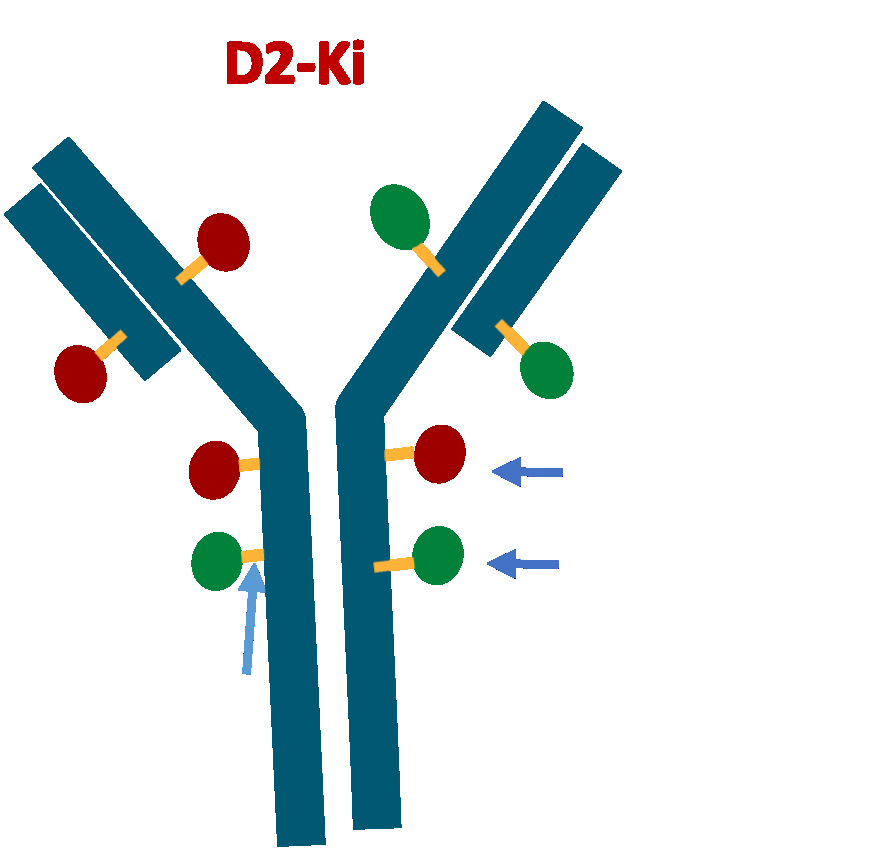
Kinase inhibitor (Ki)
An FDA-approved kinase inhibitor repurposed to block the cascade that marks topoI for degradation.
FDA-APPROVEDCamptothecin analogues (CPTs) are among the most widely used anti-cancer drugs, yet many patients don’t respond. Classic explanations, drug pumps and target mutations, don’t fit. Our work found the real mechanism, and turned it into a biomarker and a drug strategy.
We first showed in patients receiving 9-aminocamptothecin that cells degrade topoisomerase I (topoI), the target of CPTs, through the ubiquitin–proteasome pathway, and that cells which degrade topoI rapidly resist CPTs. Using functional proteomics, we identified the topoI-interacting proteins that control this degradation.
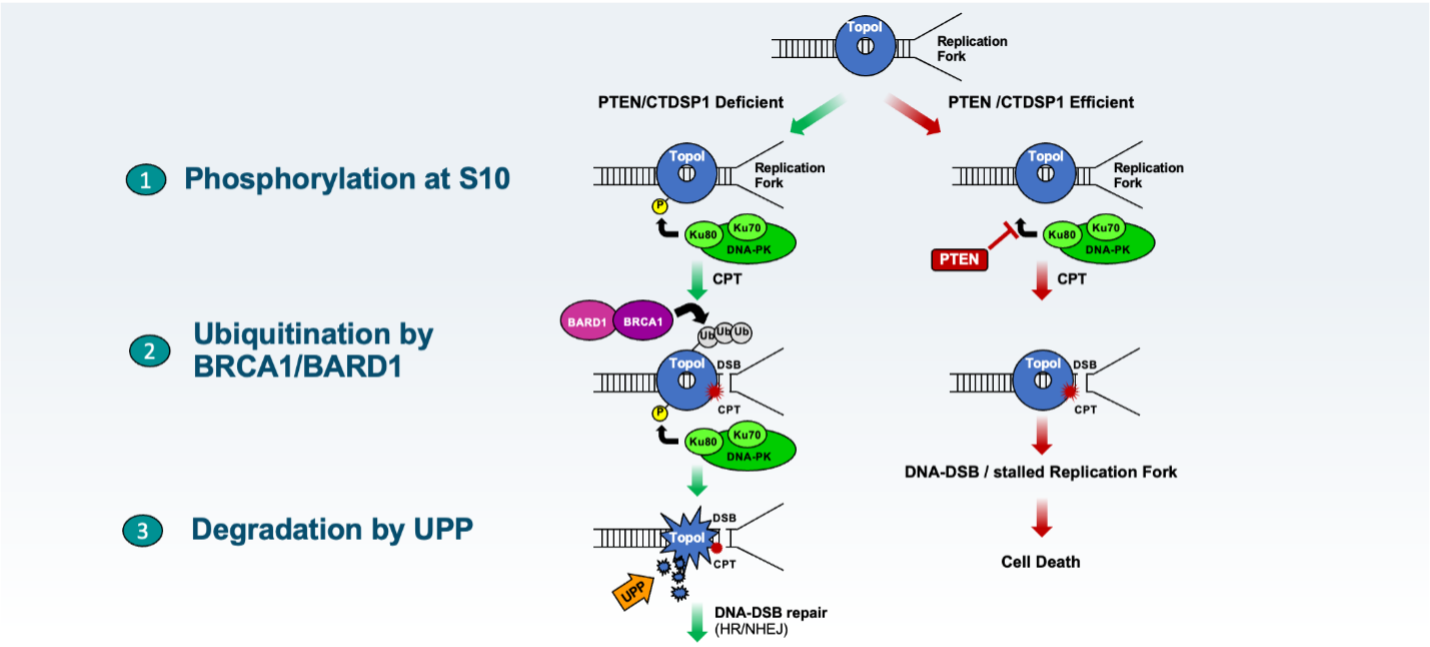
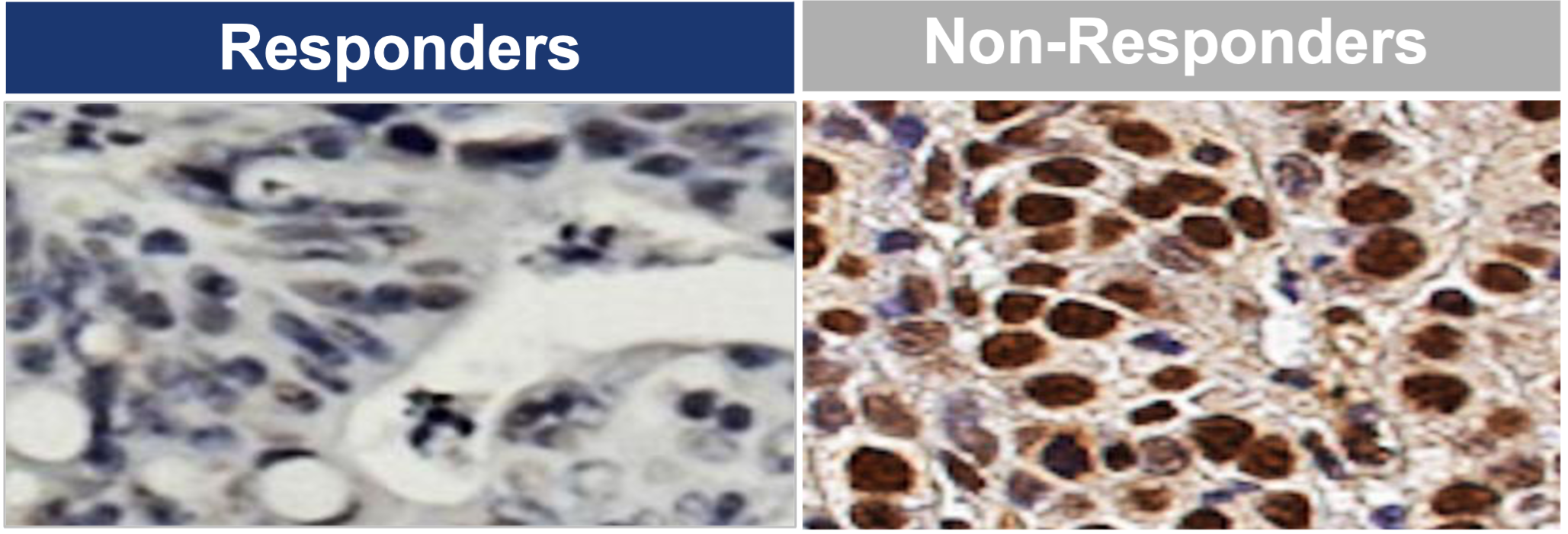
Tumors with a higher basal level of phosphorylated topoI-S10 degrade topoI quickly and do not respond to topoI inhibitors. Our IHC assay, P-topoI-Dx, measures it in cells and tumor tissue. A retrospective validation in gastric and colorectal cancer patients showed very high predictive values.
The pathway gave us three drug targets. Two complementary screening platforms produced two lead compounds that specifically inhibit CPT-induced topoI ubiquitination.
An FDA-approved kinase inhibitor repurposed to block the cascade that marks topoI for degradation.
FDA-APPROVEDA new chemical entity with no cytotoxicity of its own: it only stops topoI from being destroyed.
NON-CYTOTOXICOur lead compounds ride alongside a topoI inhibitor on the same antibody, so resistance is blocked in exactly the cells being treated. Approved components are designed to support rapid development with minimal risk.